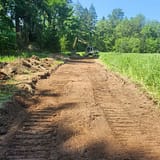
Homeowners in Washington State increasingly live in or near wildland-urban interface areas, where natural vegetation, shrubs, and brush border homes. While that setting has aesthetic value, it also carries wildfire risk—especially in dry seasons. Seasonal brush removal is one of the most important proactive measures a homeowner can take to protect property, lives, and neighborhoods.
This article covers:
-
What we mean by “brush removal”
-
Why seasonal timing matters
-
Key seasons for brush work in Washington
-
How much and where to remove
-
Safety, regulations, and best practices
-
Benefits and trade-offs
-
A homeowner’s seasonal checklist
1. What Is “Brush Removal”?
Brush removal (also called fuel reduction or vegetation management) involves thinning, pruning, cutting, or clearing shrubs, small trees, dead branches, leaf litter, downed wood, and other combustible vegetation around a property.
The goal is to reduce fuel loads—i.e. the amount and continuity of flammable material that a fire could consume. In fire science this also includes eliminating “ladder fuels” (plants or limbs that allow fire to climb from the ground into tree crowns).
When vegetation is well managed, fire is less likely to spread rapidly toward structures, or may burn less intensely.
2. Why Timing (Seasonality) Matters
Doing brush removal at the “right times” matters for multiple reasons:
-
Fire season timing: Removing brush before the high-risk period helps reduce ignition potential and gives firefighters a better chance to defend your home.
-
Vegetation response: Some plant species resprout or leaf out quickly; if you cut at the wrong time, regrowth may create new fuels.
-
Wildlife and nesting: Brush removal during nesting seasons or breeding periods may impact wildlife; timing helps minimize ecological harm.
-
Weather and moisture: Removing brush when conditions are dry but not excessively so reduces risk of spark or fire escape from equipment.
-
Regulatory windows: Permits or burn bans may restrict removal or burning during certain times.
Because of those factors, homeowners should align brush removal schedules with seasonal and regulatory calendars, rather than doing everything at once or only once per year.
3. Key Seasons for Brush Work in Washington
Washington’s climatic zones vary (coastal, Cascade, eastern rain-shadow), so regional nuance matters, but these general windows are useful:
| Season / Period | Typical Conditions | Recommended Brush Removal Activities |
|---|---|---|
| Late Winter to Early Spring (February – April) | Moist soils, lower fire risk, before major growth starts | Major thinning, pruning, dead branch removal, clearing underbrush |
| Late Spring to Early Summer (May – early July) | Vegetation starting to dry, warmer weather | Finish residual brush removal, clean up debris, inspect regrowth |
| Mid-Summer to Late Summer (July – August) | High fire danger, dry conditions | Avoid large cutting or burning; focus on maintenance and minor cleanups |
| Early Fall (September – October) | Cooler, possibly wetter, lower fire season | Spot clean, clear leaves, dead wood, prepare for winter dormancy |
| Late Fall to Early Winter (November – January) | Rain, snow, dormant period | Limit heavy work; focus on planning, cutting small dead material, compliance prep |
Why this schedule works:
-
The late winter/early spring window is ideal for heavy work: vegetation is dormant, ground moisture is higher, and there’s less danger of ignitions.
-
By late spring/early summer, you want your fuel reduction work completed before the driest months.
-
During peak summer dryness, equipment use and cut fuel piles carry elevated fire risk, so large work is better avoided then.
-
Early fall allows you to catch any residual dead material before winter.
-
The winter/dormant period is more for planning, rather than large cuts, especially in wetter regions.
Some conservation or fire programs (e.g. mobile chipping services) also schedule spring and fall “shoulder seasons” as optimal windows for brush removal operations.
Note: Local fire districts or counties may impose burn bans or restrictions during certain high-risk months; always check before conducting major work.
4. How Much and Where to Remove: The “Defensible Space” Principle
To guide how much brush to remove and how far from structures, many agencies use the defensible space concept: creating zones of decreasing fuel density moving outward from your home.
Common zoning guidelines:
-
Zone 0 / Ember Zone (0–5 ft from structures)
Keep this area as free of combustibles as possible. Avoid wood mulch, combustible planters, dry grasses, vines, or dead debris. -
Zone 1 / Lean, Clean, Green (5–30 ft)
Remove or thin shrubs. Space plants and trees to prevent fire from easily traveling across. Prune lower branches. -
Zone 2 / Reduced Fuel Zone (30–100+ ft)
Thin dense brush, remove ladder fuels, prune and space trees. In steeper terrain, increase separation distances. -
Beyond 100 ft
Focus on selective thinning, removing invasive brush patches or re-entry corridors.
Washington DNR’s advice: clearing within a radius (commonly 100 ft) and managing vegetation around structures significantly improves home survivability.
Best practices also include:
-
Removing dead wood, leaf litter, fallen branches
-
Pruning lower tree limbs (especially those under ~6–10 feet) to reduce ladder fuels
-
Ensuring space between tree crowns (especially near homes)
-
Storing firewood, mulch, or fuel piles well away from structures
-
Regular maintenance (not just one cut per year)
5. Safety, Permits & Regulatory Considerations
When doing brush removal, keep these in mind:
-
Burn bans & air quality rules: Many counties restrict or prohibit open burning during dry months or under unhealthy air conditions.
-
Permits: Some tree removal or brush work may require local permits, especially in urban or conservation zones.
-
Wildlife & nesting: Avoid cutting during nesting season (often spring to early summer) where possible, or consult wildlife agencies.
-
Slope & erosion: Brush removal on steep slopes must consider soil stability; avoid removing all vegetation in one area that might lead to erosion.
-
Smoke & safety: Controlled burns or pile burns must adhere to local burn rules; always maintain safety distance and proper supervision.
-
Professional help: For trees near structures, power lines, or in difficult terrain, hiring certified arborists or professional brush removal crews is safer.
-
Documentation & compliance: Keep records of your work, especially in jurisdictions with wildfire safety codes (Washington is updating WUI code with defensible space requirements).
6. Benefits & Trade-Offs
Benefits
-
Reduced wildfire risk to your home and neighborhood
-
Lower intensity and spread of potential fires
-
Easier access for firefighters if a fire occurs
-
Improved forest health by managing overcrowded brush
-
Possible reduction in insurance risk or premiums
-
Increased peace of mind
Trade-Offs / Challenges
-
Cost and labor involved
-
Potential aesthetic impacts (less dense foliage)
-
Regrowth requiring repeated maintenance
-
Risk of accidental ignition during work
-
Ecological impact (if removal is too aggressive or mistimed)
-
Regulatory delays or restrictions
Overall, the benefits generally outweigh the trade-offs when done thoughtfully and regularly.
7. Seasonal Homeowner Checklist: Brush Removal Tasks by Season
Here’s a simple checklist by season to help Washington homeowners stay on track:
| Season | Tasks |
|---|---|
| Late Winter / Early Spring | Inspect yard for dead shrubs, trees; plan cut areas; prune back brush; schedule thinning; get permits; begin major brush removal. |
| Late Spring / Early Summer | Finish brush removal; rake leaves and debris; trim regrowth; remove limbed branches; clean gutters and roofline. |
| Mid–Late Summer | Monitor for new dead wood; do light maintenance only; keep clear Zone 0; refrain from heavy cutting or burning. |
| Early Fall | Spot clean remaining dead material; rake leaves; prep fuel piles for safe disposal; final trimming before winter. |
| Winter / Dormant | Plan next season’s work; inventory problematic areas; obtain necessary permits; schedule contractors; maintain minimal clearing. |
Conclusion
Seasonal brush removal isn’t a one-time task—it’s a recurring, strategic practice that significantly improves home and community resilience to wildfire. For Washington homeowners, timing work to coincide with vegetation cycles, regulatory seasons, and fire risks maximizes safety and effectiveness. When guided by defensible space principles and local rules, brush removal becomes a key component of responsible and proactive home stewardship in a fire-prone state.
References
Defensible Space – Prepare Your Home.
12 Steps to Defend Your Home from Wildfire
Fire Management and Prevention Strategies
Strengthening Urban Resilience to Wildfire
How to protect your home from wildfires