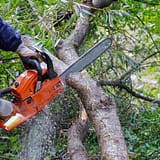
When we talk about land clearing—removing trees, shrubs, brush, and debris—it’s not just about aesthetics or making space. In Washington State, where wildfires, regulatory requirements, property taxes, insurance, and neighborhood safety are increasingly important, proper land clearing can significantly impact both safety and property value. Below are key ways land clearing plays this dual role, plus considerations for property owners.
How Land Clearing Affects Safety
1. Reduced Wildfire Risk
-
Defensible Space Creation: Clearing vegetation around homes and structures—removing “ladder fuels,” thinning brush, pruning lower tree branches—can prevent wildfires from reaching structures. Washington Department of Natural Resources (DNR) emphasizes that many homes lost in wildfires might have been saved if proper defensible space had been maintained.
-
Regulated Burning & Debris Removal: DNR and the Department of Ecology regulate burning (including debris from land clearing) to reduce risk during dry or windy periods. Permits and burn bans often apply.
2. Improved Disaster Preparedness & Access
-
Firefighter Access: Cleared land improves access for firefighting vehicles and evacuation routes. Dense undergrowth or overhanging branches can slow down response or block paths.
-
Reduced Fuel Load for Storms & Afterfires: After a wildfire, heavy debris and unstable soil can lead to secondary hazards (erosion, mudslides). Clearing reduces the accumulation of combustible material and helps with post-fire rehabilitation. Washington laws require disposal or burning of forest debris under certain conditions for hazard abatement.
3. Regulatory Compliance & Liability
-
Burn Permits and Laws: Washington laws restrict or prohibit many types of land clearing burns (especially residential land clearing burns) unless certain conditions and permits are met. Violating these can lead to penalties.
-
Wildland Urban Interface (WUI) Codes: New building codes or local regulations increasingly require defensible space and certain vegetation management standards. Failure to comply can impact insurance and liability. While specific data on regulatory impact across all counties varies, the trend is clear.
How Land Clearing Can Enhance Property Value
1. Increased Usability & Development Potential
-
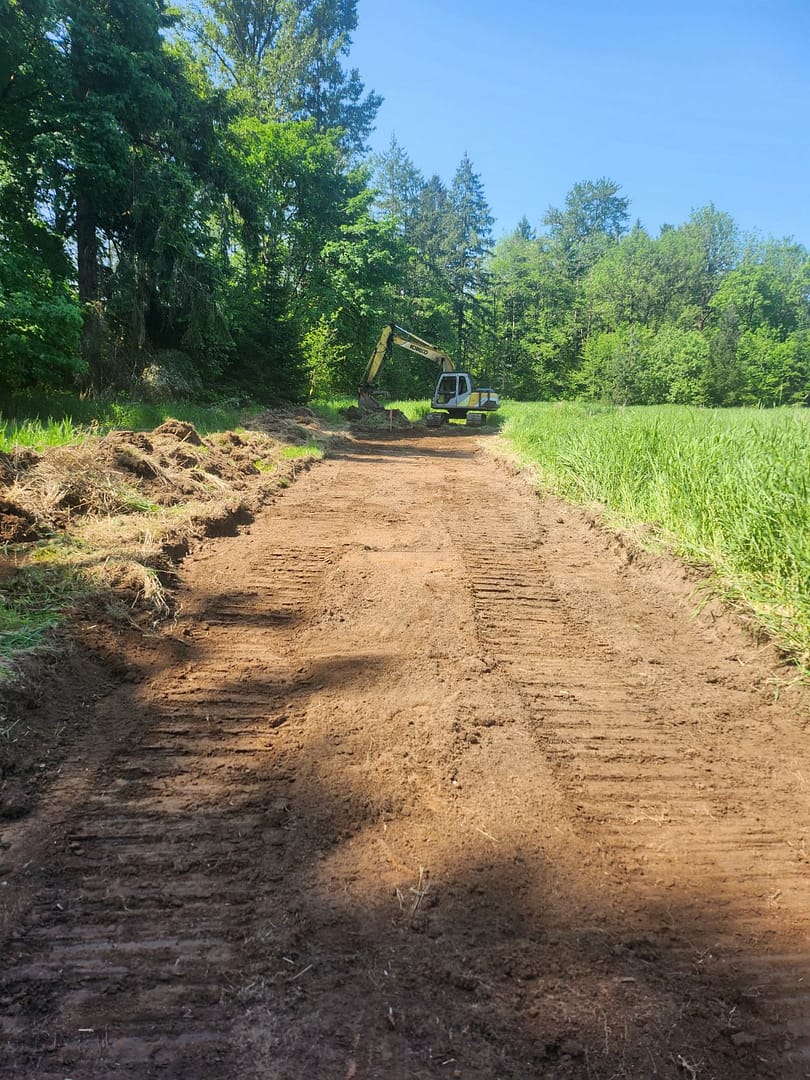
Buildable Land: Clearing trees, brush, and uneven terrain can reveal usable space for construction, landscaping, driveways, or recreation. Lots that are “move-in ready” or easy to build on generally fetch higher prices.
-
Unlocking Views & Light: Removing overgrown vegetation can improve views, sunlight access, and general appeal. In many cases, buyers pay a premium for properties with good exposure and open vistas.
2. Lower Insurance Costs & Buyer Confidence
-
Insurance Risk Reduction: Properties with defensible space and reduced fuel loads are less risky in fire-prone zones. Insurers may view them more favorably, possibly reducing premiums or making coverage more readily available.
-
Marketability and Perceived Safety: Buyers often value safety—knowing the land is managed, fire hazards minimized, and maintenance issues addressed. Such attributes enhance perceived value.
3. Mitigation of Value Loss from Wildfire & Climate Risk
-
Wildfire Risk Depresses Timberland Value: A recent report found that in Washington State, rising wildfire risk has already reduced private timberland values—about 5% in western Washington and ~8% in eastern Washington—even before actual fire damage.
-
Resilience Adds Value: Properties that are less vulnerable to climate and fire risks tend to hold or increase in value better than those exposed to unmanaged hazards.
Trade-Offs and Considerations
Land clearing isn’t without potential downsides. Homeowners should weigh:
-
Loss of Natural Amenities: Mature trees, wildlife habitat, shade, privacy, aesthetics—these often appeal to buyers. Clearing too much can reduce those intangible values.
-
Environmental & Erosion Risks: Improper clearing on slopes, near waterways, or without erosion control can lead to soil loss, flooding, or environmental degradation.
-
Cost & Maintenance: Clearing, disposing of debris, ongoing maintenance (weed control, regrowth) cost time and money.
-
Regulatory Restrictions: Some areas have strict rules on clearing, burning, or land alteration (e.g. wetland protections, critical area buffers). Legal compliance is essential.
Best Practices for Washington Property Owners
Here are guidelines to maximize the safety and value gains from land clearing:
-
Start with a Property Assessment
Identify wildfire hazard zones, steep terrain, soil type, drainage, existing vegetation, and structure placement. -
Create Defensible Space
Follow DNR’s guidelines for defensible space around homes—clear brush, prune trees, remove ladder fuels. Department of Natural Resources -
Work with Local Regulations
Check county and city ordinances, burn permit requirements, wetland or shoreline rules, utility or right-of-way constraints. -
Use Professionals When Needed
For steep slopes, large acreage, or specialized tasks (erosion control, habitat protection), hire contractors or foresters. -
Balance Clearing with Conservation
Retain buffer zones, protect trees with high aesthetic or ecological value, and manage for biodiversity where possible. -
Maintain Cleared Areas
Regular maintenance of cleared zones so they don’t become unmanaged again. -
Document Work
Keep records (before/after photos, documentation of permits, contractor work) for insurance, property disclosures, or future sale.
Summary
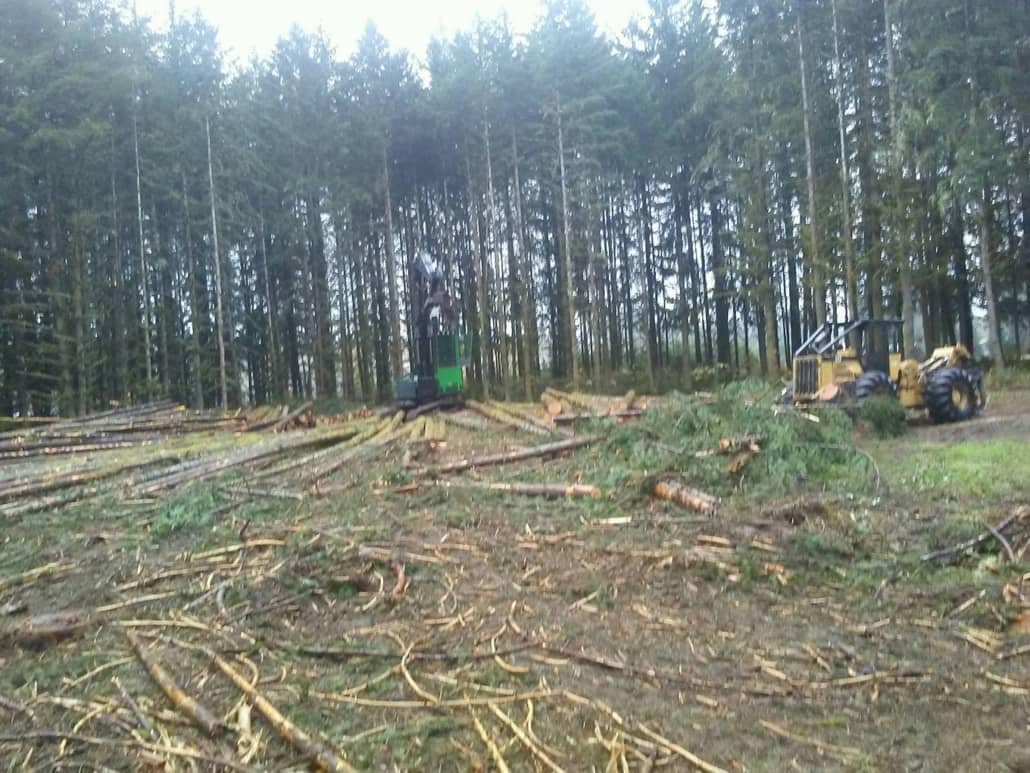
In Washington State, land clearing plays a significant role in both property safety (especially wildfire risk reduction, regulatory compliance, and disaster mitigation) and property value (through buildable land, insurance advantages, and marketability). However, doing it thoughtfully—balancing clearing with environmental, regulatory, and aesthetic concerns—is crucial. When done properly, it can be a worthwhile investment in both property protection and value.